Black Friday wine deals 2026: a UK shopper’s guide to real savings and retail theatre
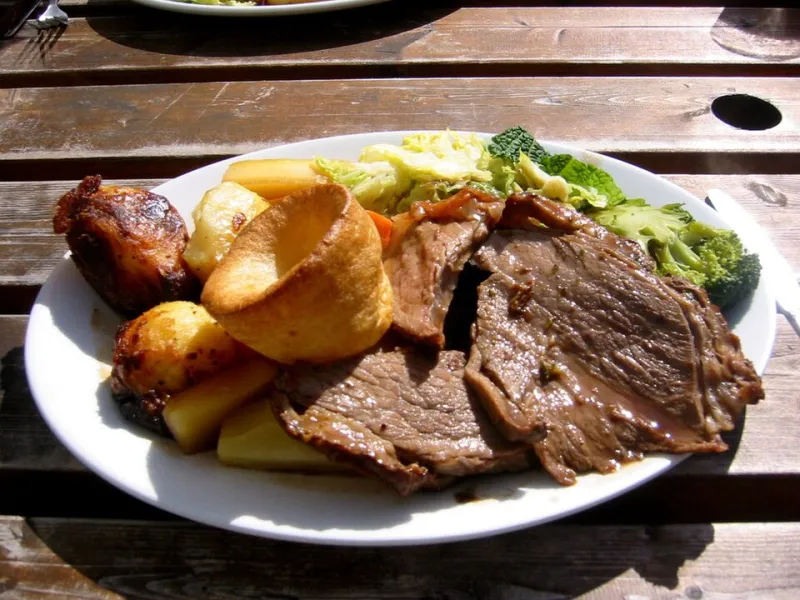
Photo: Acabashi, CC BY-SA 4.0, via Wikimedia Commons
Black Friday used to be a single Friday. In 2026 it is more of a season, stretching from late October to the first week of December, with UK wine retailers competing for the same Christmas budget. That is not automatically bad news. A well-timed case discount can take the sting out of festive entertaining, especially if you know what you are buying and why. The trick is to separate a genuine saving from a familiar retail routine: the inflated was-price, the mixed case padded with slow movers, and the bin-end that is really just old stock in a new promotion.
Start with the maths, not the marketing
Before you get excited by 30% off or a free bottle, work out the price per 75cl bottle including delivery. A 12-bottle case at £120 sounds like £10 a bottle, but add £9.95 delivery and it is nearer £10.83. Check whether the same wine is cheaper in a six-bottle format or as part of a mixed case. Also check the bottle size: most wine is 75cl, but fortified wines and some special formats vary. If a deal relies on a free gift you would never buy, it is not a deal.
The was-price trap
UK pricing rules are stricter than they once were, but wine promotions still have plenty of wiggle room. A bottle marked ‘was £17.99, now £8.99’ may have been sold at £17.99 for a few weeks and at £8.99 for most of the year. That does not make it a bargain; it makes it a permanent promotion. Look at the price across two or three retailers, check whether the wine is always on offer, and be sceptical of vague claims like ‘market price’ or ‘worth’. If the discount only exists on a page with a countdown timer, slow down.
What is genuinely worth stocking up for Christmas 2026
Some styles are better Black Friday targets than others. You want wines that will survive a few weeks in the cupboard, suit festive food, and are likely to be discounted because retailers buy them in volume.
- Champagne and traditional-method sparkling. Non-vintage Champagne from a reliable house at 20% off is a real saving. Own-label Crémant and Cava can be excellent value, but check the dosage style if you like dry wine.
- Fortified wines. Ten-year tawny Port, LBV Port, and dry amontillado or fino sherry are Christmas workhorses. They last after opening and often appear in genuine bin-end deals because retailers clear space.
- Robust reds for roasts. Southern Rhône Grenache blends, Douro reds, Sicilian Nero d’Avola and Portuguese Baga are good bets. They have enough fruit and structure for beef or lamb and usually improve with a year or two in bottle.
- Reliable party whites. Riesling, Chenin Blanc and Albariño are worth buying by the case if the vintage is current and the price is right. Avoid delicate whites with several years on the clock unless you know the producer.
- English sparkling wine. The category is growing, and discounts are less common, but a genuine 15% off a producer you already like is worth taking.
Mixed cases: convenient, but read the small print
Retailer-selected mixed cases are designed to look like a shortcut. Sometimes they are. More often they contain two or three wines you want and a few bottles that exist to hit a price point. Before buying, list the wines and ask whether you would pay the full price for at least 70% of them. If the answer is no, build your own case instead. Mystery cases are even more of a gamble; they are fine for the adventurous, but they are not a sensible way to stock a Christmas table.
When a bin-end is just slow stock
Bin-end can mean a genuine end-of-line: the retailer is changing supplier, the vintage has moved on, or the label has been updated. It can also mean a wine that simply did not sell. Clues include a vague appellation, no vintage on the label, a strange grape variety with no explanation, or a white wine that is three or four years older than it should be. For reds, fortified wines and ageworthy whites, a little bottle age can be a bonus. For crisp whites and rosé, it is usually a warning.
A quick pre-Black Friday checklist
- Compare the price per bottle including delivery.
- Check the vintage and drink-by date.
- Look at the bottle size and case format.
- Read the contents of any mixed case.
- Check storage and delivery terms.
- Set a budget before you browse.
- Ask whether you would buy the wine at full price. If not, why are you buying it now?
The bottom line
Black Friday 2026 can be a useful moment to buy Champagne, fortified wines, robust reds and reliable party whites. It is a poor moment to panic-buy novelty bottles or mystery cases. The best deal is not the biggest percentage off; it is the bottle you actually want to drink with Christmas lunch, at a price you are happy to pay.