A Glass and a Half: The Case for Building Your Online Order Around 37.5cl
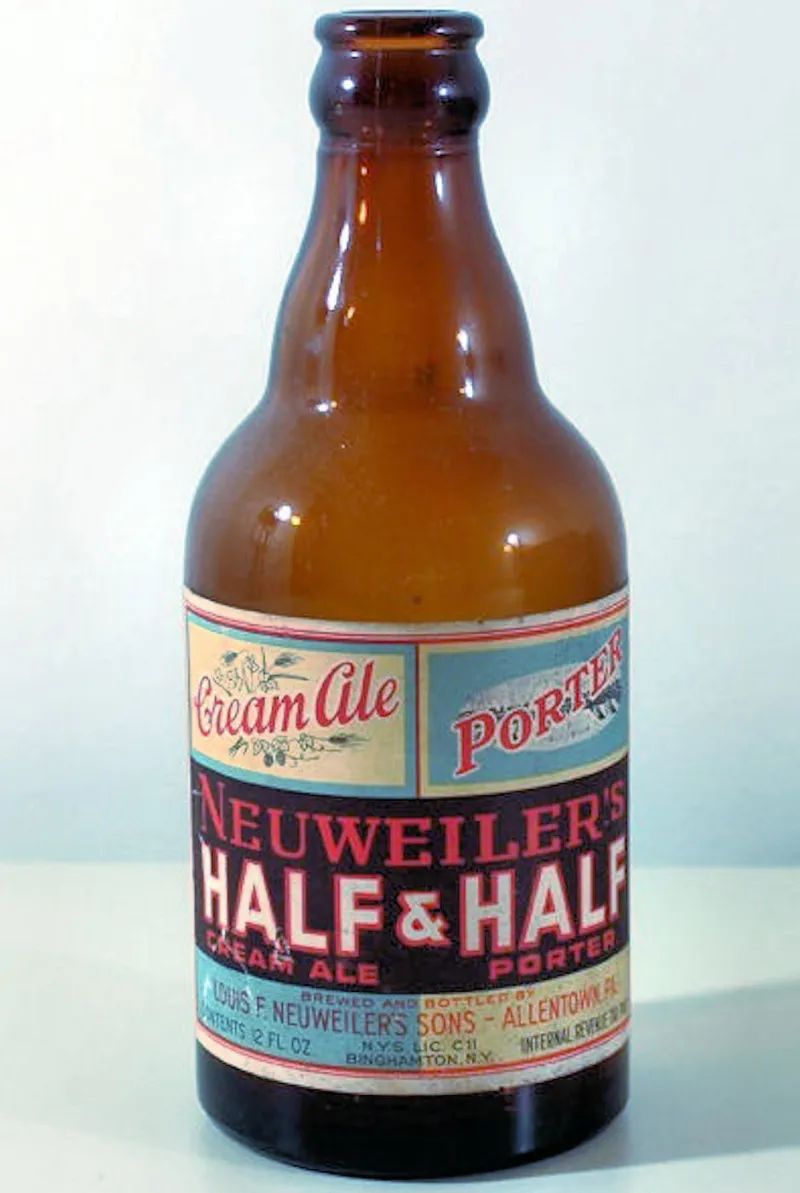
Photo: Self Scanned, Public domain, via Wikimedia Commons
Half bottles have a slightly fussy reputation. They can look like the wine equivalent of a single-serve yoghurt: a bit precious, a bit overpackaged, and often priced as though the glass itself were hand-blown. But for a lot of UK drinkers — couples with different tastes, solo drinkers, anyone who fancies a proper glass on a Tuesday without committing to 75cl — the half bottle is quietly one of the most useful things you can put in an online order.
The catch is that half bottles are not simply half the price, half the commitment and half the hassle. They are their own format, with their own pricing logic, their own ageing behaviour and their own delivery quirks. Get those right and a mixed half-case becomes a genuinely practical weeknight tool. Get them wrong and you end up paying over the odds for a bottle that has been sitting in a warehouse since the last time England won a penalty shootout.
Why 37.5cl is not just a full bottle cut in half
A half bottle holds 375ml, which is three 125ml glasses or two generous 150ml pours. That is enough for a couple to share a glass each with dinner and still leave a small top-up, or for one person to drink over two evenings with a stopper in the neck. The freshness argument is simple: an open half bottle has less wine to oxidise, so the last glass on Wednesday tastes closer to the first glass on Monday. It is not magic — oxygen still does its work — but the volume is on your side.
The real advantage is flexibility. If one of you wants a crisp white with the fish and the other wants a light red with the sausages, two halves solve the problem without opening two full bottles you will never finish. If you are cooking for one, a half of Chablis or Beaujolais is a treat rather than a chore. And if you are trying to drink a bit less without giving up the pleasure of a proper glass, a half bottle is a natural portion control that does not feel like punishment.
Where halves genuinely earn their place
Sparkling wine is the obvious one. A half of Champagne or English sparkling is a lovely thing for a small celebration, a Sunday lunch starter or a Friday night when you want the ritual without the leftovers. Halves of fizz are often priced at around 55–65% of the full bottle rather than a straight 50%, which is still less outlay and less waste. Dessert wines, sherry, port and Madeira are the other clear winners. A full bottle of tawny or Sauternes is a museum piece in most kitchens; a half is a usable, finishable pleasure with a wedge of Stilton or a plate of almonds.
Halves also make sense for trying wines that would otherwise feel like a commitment: a white Burgundy you have been curious about, a German Riesling with a bit of age, a grower Champagne you have only read about. And they are excellent for a Sunday roast for two, where a half of something generous is plenty alongside the leftovers.
The styles that survive small format — and the ones that do not
Because a half bottle has a higher ratio of oxygen to wine, it ages faster than a full bottle. That is not a reason to avoid halves, but it is a reason to choose carefully. Young, fresh, aromatic whites — Picpoul, Muscadet, Sauvignon Blanc, dry Riesling — do well. Light reds such as Gamay, Pinot Noir and crunchy Grenache are happy. Rosé, fino sherry and tawny port are reliable. Screwcap halves tend to be safer than cork, especially if you are buying online and cannot inspect the fill level.
What should you treat with caution? Older vintages in half bottle, big tannic reds built for the long haul, and fragile aged whites. Unfiltered natural wines can be riskier in small format too, because there is less liquid to buffer any re-fermentation or bottle variation. If a retailer is selling a 2016 half bottle of something serious, ask about fill level and storage — or simply buy the full bottle instead. Halves are at their best when they are young, fresh and uncomplicated.
Building a mixed half-case for the week
A useful starting point is six halves that cover different moods rather than six of the same thing. Picture a mixed half-case in your online basket: a Picpoul de Pinet for the fish pie or a plate of Devon crab; an off-dry Mosel Riesling for Friday curry; a Gamay for sausages and lentils; a Pinot Noir for mushroom risotto; a dry rosé for a ploughman's lunch; and a half of tawny port for the Stilton. That is a week of possibilities without a single open bottle going flat.
If you are ordering for two people with different tastes, a mixed half-case is even more useful. You can build in a white, a red, a rosé and a dessert wine, and nobody has to drink the same thing three nights running. Pairings work exactly as they would with full bottles; the only difference is that you are not opening more than you need.
The pricing traps to check before you tap buy
The first rule is to compare the price per 75cl, not the shelf price. A half bottle at £8 sounds cheaper than a full bottle at £14, but per litre you are paying more than £21 for the equivalent of a full bottle. UK duty is charged per litre of wine, so duty on a half is genuinely lower, but glass, closure and packaging costs are spread over less liquid. A fair half bottle usually sits at around 55–65% of the full bottle price. If a retailer is charging 75–80%, you are paying for the format, not the wine.
Check whether halves are included in promotions. Many "25% off mixed cases" deals exclude half bottles, or exclude them from free-delivery thresholds. Check the delivery charge carefully: some shops treat a case of 12 halves exactly like a case of 12 full bottles, which is good, but others add a glass surcharge or a small-order fee. If you are buying a mixed half-case, order enough to clear the free-delivery minimum, and check whether the courier requires a signature.
Also check the bottle size on the product page. A half is 37.5cl, but you will also see 50cl, 20cl piccolos and sometimes 37.5cl sparkling in different shapes. Make sure you are buying what you think you are buying, and check the vintage. Halves are often released later than full bottles, and old stock can linger. A young vintage is usually the safer bet.
Delivery and packaging: the small-format gotchas
Halves rattle around in a box more than full bottles, so packaging matters. Look for retailers that use moulded pulp or proper inserts rather than a loose flat-pack. If a bottle arrives corked or damaged, keep the bottle and the packaging until the retailer has responded; most UK merchants will replace or refund, but they need the evidence. Halves also warm up faster in transit, so avoid ordering during a heatwave if you can, and try to be in when the courier arrives.
Finally, do not overlook the obvious: a half bottle is a good excuse to try a retailer you have not used before without spending a fortune. Start with six halves, compare the per-litre price against your usual supermarket run, and keep a note of which styles survived the week best. The half bottle is not a novelty. It is a sensible, flexible format that deserves a regular place in your online basket — as long as you check the maths before you check out.