What your wine case really costs after the courier knocks
Online wine shopping has a way of making the bottle price look like the whole story. It isn't. By the time a case reaches your kitchen in 2026, you may have paid a delivery fee, topped up an order to clear a free-shipping threshold, accepted a packaging surcharge and absorbed the cost of one bottle that arrived leaking. The label said £9. The landed cost said £12.40. That gap is the parcel test, and it is worth running before you click pay.
Start with the landed cost, not the label
The useful number is simple: total paid, including delivery and any fees, divided by the number of bottles you will actually drink. A six-bottle case at £9 a bottle is £54. Add £7.95 delivery and a £3.50 missed-delivery charge and you are at £65.45, or £10.91 a bottle. A free-delivery case at £8.50 a bottle looks cheaper per label, but only if you genuinely wanted 12 bottles. If half of them sit in the hallway until Easter, the real cost per enjoyed bottle is higher still. Work out the landed cost per bottle, then compare it with the supermarket shelf and the local independent. Sometimes online wins. Sometimes it merely looks as if it does.
The free-delivery threshold is a trap with a bow on it
Free delivery is not free; it is a spending target. A merchant offering free delivery over £75 is inviting you to turn a £58 order into an £82 order for the sake of saving £6.95. That is a bad trade unless the extra bottles were on your list anyway. Check the minimum spend, the threshold, whether it applies to mixed cases and whether it excludes sale items. Also check the delivery window: a cheap rate that takes eight working days is fine for a cellar top-up and useless for a Friday dinner.
Packaging has a cost, and not just in cardboard
Wine is heavy, fragile and awkward. Good merchants use moulded pulp, inflatable inserts or fitted cardboard; less good ones use a box, a prayer and a bit of bubble wrap. Some charge a packaging fee, some build it into the bottle price, and some offer a premium heat-protected option in summer. Ask what happens if a bottle breaks in transit. A merchant that replaces it without argument is worth a few pence more per bottle. A merchant that blames the courier before you have even opened the box is not.
Couriers, doorsteps and the missed-delivery tax
Most UK wine deliveries need an adult signature or at least an age check. If you are out, the parcel may go back to the depot, to a neighbour or to a pickup point. Re-delivery can be free, or it can cost £4 to £8. Safe-place instructions are convenient until a box of wine sits in a sunny porch for six hours. In November, the risk is rain and frost; in July, it is heat. If you cannot be in, choose a locker or pickup point that is shaded and collect it the same day. Do not ask for a safe place that is a radiator, a conservatory or a doorstep in direct sun.
Heat damage is the quiet deal-breaker
A wine that has been cooked in a van does not always announce itself. It may taste flat, stewed or strangely sweet, with the fruit blurred and the finish short. Sparkling wine and light reds are especially vulnerable. In warm weather, ask whether the merchant ships with heat protection, avoids weekend holdovers or uses next-day delivery. If a parcel arrives warm, let it settle for a day or two before judging it. If it tastes wrong, contact the merchant promptly and keep the bottle. You cannot claim heat damage from an empty bottle.
Returns, breakage and the photo you need to take
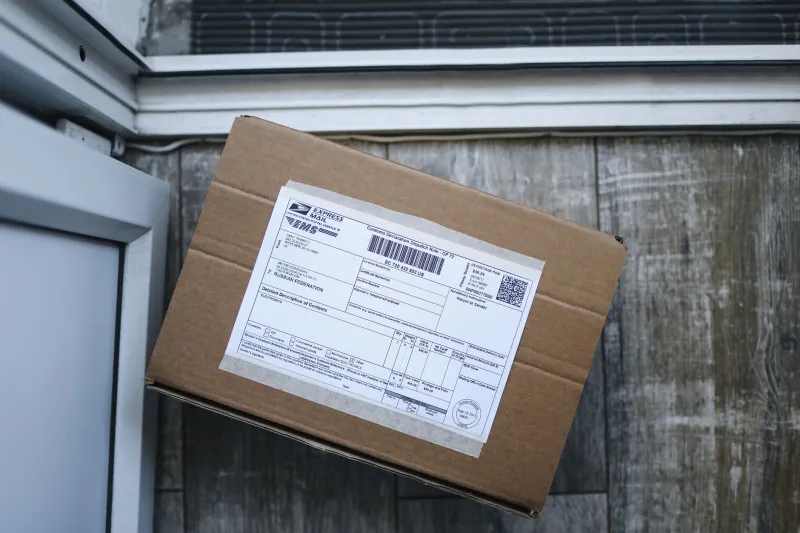
Check the returns policy before ordering, not after. Distance selling rules give UK consumers rights, but wine is often excluded from change-of-mind returns once opened, and some merchants charge for collection. For breakage, photograph the box before unpacking further, keep the packaging and report it within the stated window. Leaking bottles are usually replaced or refunded; corked bottles are a quality issue and may need a different process. A good merchant will tell you which is which. A vague one will hope you give up.
A merchant scorecard worth keeping
Before you buy, score the merchant on these: delivery cost and free threshold; minimum order; re-delivery fee; age-verification and safe-place rules; packaging and breakage policy; heat-protection options; returns window; a phone number or chat that answers; the unit price including delivery; mixed-case flexibility; and reviews that mention delivery, not just tasting notes. If two merchants are close on wine, the one with the clearer parcel terms is usually the better buy.
The bottom line
The cheapest-looking case is not always the cheapest case. Add delivery, subtract the bottles you did not need, allow for one broken bottle and a missed slot, and the order may still be good value. But you should know that before the courier knocks, not after. The parcel test takes five minutes. It is cheaper than a case of wine you did not really want.