That viral pour: how to check a wine reco before you tap buy
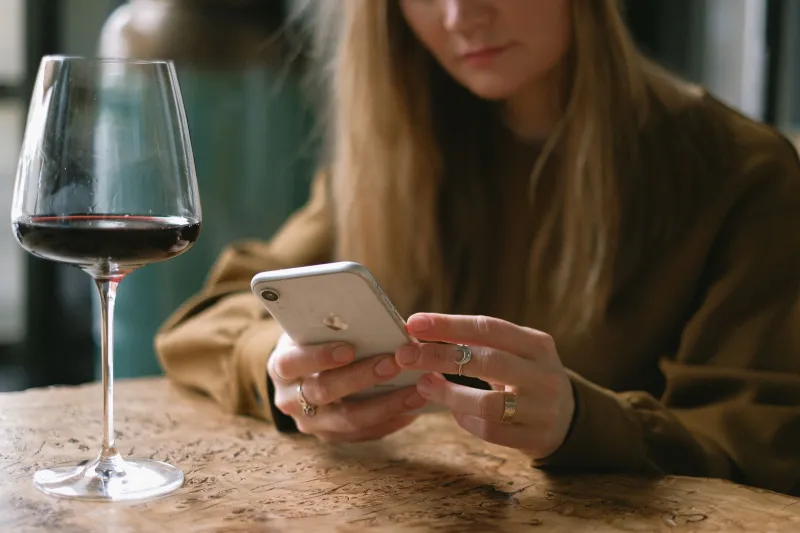
That viral bottle is doing the rounds again. Someone on TikTok calls it the best red under £15, an Instagram account shows it next to a plate of pasta, and a newsletter says it is flying off the shelves. By the time you find it in a UK shop, the vintage has changed, the price has crept up and the merchant may not be the one you thought. None of that makes the wine bad. It just means a viral recommendation is not a buying decision. Treat it like any other online purchase: verify the seller, the bottle and the deal before you tap buy.
Work out what you are actually looking at
Start with the disclosure. In the UK, paid promotions should be clearly labelled as ad, advert, paid partnership or gifted. Affiliate links are not always as obvious, but a discount code, a link in bio and a sudden enthusiasm for one merchant are clues. None of this is automatically dishonest. A paid recommendation can still be a good recommendation. But you are entitled to know whether you are watching a tasting note or an advert, and you should discount the enthusiasm accordingly. If the account never says, that is information too.
The bottle may be real; the vintage may not
Wine changes by vintage, and social media often does not. A post from last year may show the 2022; the shop may be selling the 2024. Check the producer, the appellation, the grape and the ABV, then check the merchant's listing for the exact wine. A different vintage is not necessarily a con, but it is a different wine. If the recommendation was for a specific year, do not assume the current stock is the same. If the post shows a bottle size, a special cuvée or a bin number, check that too. Screenshots travel; stock does not.
Who is actually selling it?
A viral wine often attracts copycat shops. Before you enter card details, look for a UK address, a company number, a VAT number and a contact method that is not just a form. Check the domain name against the brand and be wary of a site that launched last month with a huge discount and no returns page. Companies House is free and takes a minute. So does a quick search for the merchant's name plus returns or complaint. If the only reviews are five stars posted in the same week, treat them as decoration, not evidence.
Is the price actually good?
A viral recommendation can make a £12 bottle feel like a find and a £20 bottle feel like a bargain. Compare the price per bottle delivered, not the headline price. Add delivery, subtract any code and check whether the offer is for a single bottle, a six-pack or a case. A was £25, now £15 claim is only useful if £25 was a real shelf price recently. Check two or three UK merchants, including a supermarket and an independent, and look at the vintage they are selling. If the viral price is only available on a case of 12, the real cost is the case.
Separate tasting notes from sales copy
Best wine ever is not a tasting note. Look for specifics: fruit, acidity, tannin, oak, sweetness, alcohol and food. A recommendation that tells you what the wine tastes like is easier to test against your own preferences. Cross-reference one enthusiast with one professional or one merchant description. If all three use the same phrases, they may be reading the same press release. That does not make the wine bad, but it does mean you are not getting three independent opinions.
The five-minute pre-click checklist
Before you buy, run this list: Is the post labelled as an ad or gift? Is the merchant a real UK company with a returns policy? Is the vintage on the listing the one recommended? What is the price per bottle including delivery? Does the code work on the bottle you want? Are there independent reviews? Is the bottle in stock now? Will you need to be in for delivery? If the answer to any of these is unclear, pause. A good bottle will still be there tomorrow. A fake shop will not mind if you wait.
If it is already in the basket
Take a screenshot of the listing and the price. Compare it with one other merchant. Buy a single bottle or a small mixed case before committing to 12. Use a credit card or a payment method with buyer protection. Keep the order confirmation and check the delivery date. If the wine arrives and it is not the vintage shown, contact the merchant before opening it. If it is the right wine but you do not like it, that is not a fault; that is the risk of buying on someone else's taste.
The takeaway
Viral wine is not automatically bad wine. Some of the most useful recommendations now come from short videos and small newsletters. But the speed of social media is not the same as due diligence. Check who is being paid, check who is selling, check which vintage is in the box and check the landed price. Then decide whether the bottle suits you. The influencer may have found something genuine. Your job is to make sure the transaction is genuine too.