Wine labels without the fog: six phrases to skip and three clues that count

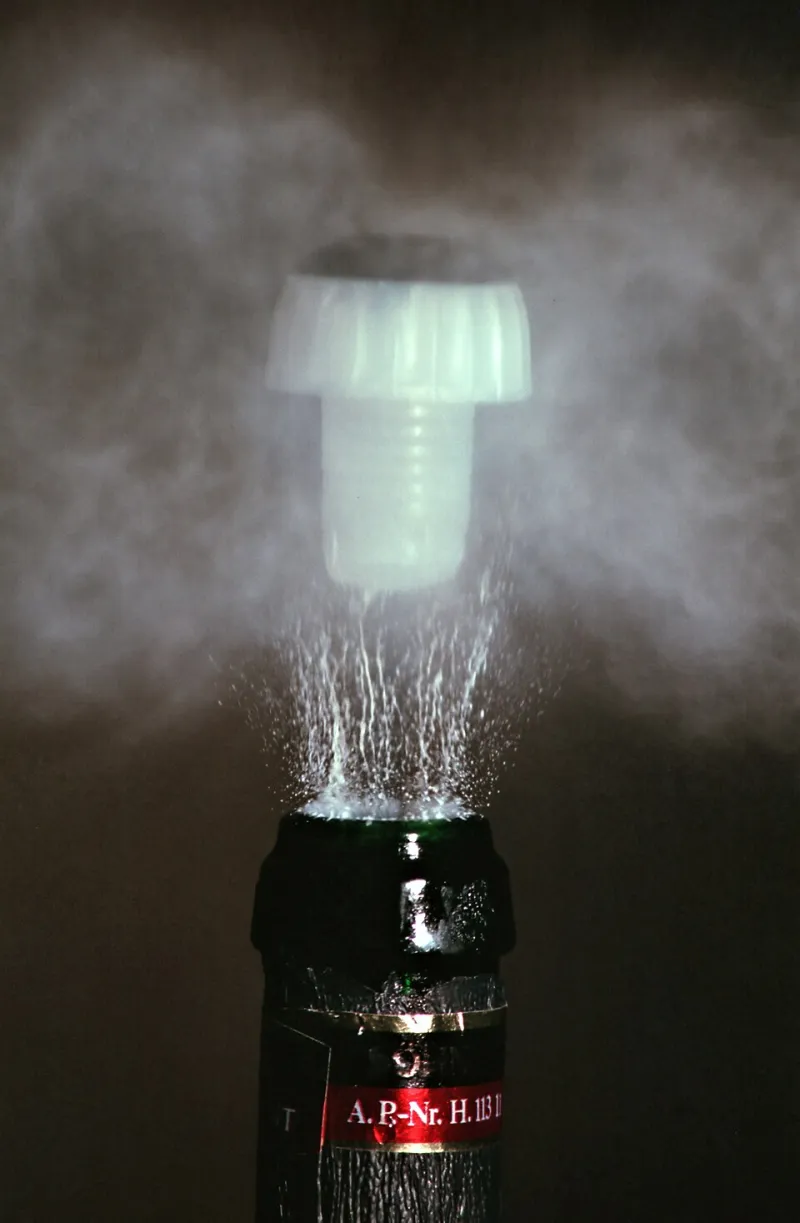
Photo: Jocelyn Kinghorn from Christchurch, New Zealand, CC BY-SA 2.0, via Wikimedia Commons
Standing in a supermarket aisle with a bottle in each hand, it is easy to feel like the label is speaking a language you missed at school. Some bottles shout about reserve, craft and limited releases; others quietly list a grape, a place and a number. The quiet ones are usually the ones worth listening to.
None of this is about being snobbish. It is about saving time, spending well and getting a bottle that suits the dinner you actually have planned. Here are six phrases that tend to mean very little on their own, and three clues that do real work.
Six phrases that mostly sell a feeling
1. Reserve
On a Rioja bottle, reserva is a regulated word with ageing rules behind it. On a £7 red from nowhere in particular, reserve is often just a label. It suggests extra care, but there is no single UK rule that says what it must contain. Treat it as a mood, not a guarantee.
2. Winemaker's selection
This sounds like a person with a palate and a plan has chosen something special. Sometimes that is true. Often it is a supermarket own-label phrase with no agreed definition. It tells you more about the marketing department than the liquid.
3. Limited release
Limited to what? A tank, a season, a hundred thousand bottles? Without a number or a date, limited release is scarcity theatre. It can be a genuinely small parcel, but the phrase alone does not prove it.
4. Signature
A signature suggests style and authorship. In practice it is often just a brand name, or a word chosen because it looks good above a crest. You will not learn whether the wine is crisp, oaky, sweet or dry from it.
5. Artisan or crafted
These words are designed to make you picture a barn, a small press and someone with flour on their sleeves. They are not regulated in the way that organic or protected origin terms are. Crafted can apply to a wine made in a facility the size of a retail park.
6. Premium
Premium is the emptiest word in the aisle. It does not tell you the grape, the region, the vintage or the sweetness. It is a price signal dressed up as a quality signal. A bottle can be premium and still be a poor match for your Sunday lunch.
The point is not that every bottle using these words is bad. It is that they are not information you can compare. Two reserves can be wildly different. Two premium reds can taste nothing alike.
Three clues that earn their keep
1. The grape, or the blend
Grape variety is the fastest shortcut to flavour. Bacchus suggests elderflower and citrus. Pinot Grigio suggests light and crisp. Shiraz suggests darker fruit and pepper. If the label names a blend, look at the order: in the EU and UK, the first grape listed usually makes up the largest share. A bottle that hides the grape entirely is asking you to buy blind.
2. The place
Region is the next best clue. Chablis means Chardonnay grown in a cool French corner. Rioja means Tempranillo with a certain ageing culture. Marlborough means Sauvignon Blanc with zip. A broad label such as South Eastern Australia can still be good, but it is less specific. Protected terms such as PDO and PGI tell you that the place on the label has rules behind it. They are not a guarantee of quality, but they are a guarantee of origin.
3. The practical numbers
Vintage and ABV are the two numbers worth turning the bottle around for. A vintage tells you the year the grapes were picked, which matters more in some regions than others. A non-vintage bottle is a blend, which is fine, but it is a different promise. ABV is a style clue: 11% often feels lighter and fresher; 14.5% often feels fuller, riper and more warming. Neither is better. They just suit different food and different evenings.
How to shop faster in 2026
Try this in the aisle. Turn the bottle around. Find the grape, the region, the vintage and the ABV. If those four things are clear, you can make a decision. Then read the front-label poetry. If the poetry is all that is on offer, put it back.
Compare like with like. If a £12 bottle and a £7 bottle both say Pinot Grigio from Veneto, ask what the extra fiver is doing. It might be a better vineyard, a better vintage or simply a nicer label. If a £9 bottle says Reserve but hides the grape, you are not comparing wine; you are comparing words.
Own-label ranges are worth a look because they often put the useful facts on the back. Sainsbury's Taste the Difference, Tesco Finest and M&S Collection bottles usually tell you the grape and the region, even when the front label is doing a little theatre. That is not a guarantee, but it is a start.
And remember that useful labels are not always boring labels. A good producer wants you to know what you are drinking. The best label is not the one with the fewest words. It is the one that tells you the things you can actually taste.