Still got it: English wine beyond the bubbles in 2026
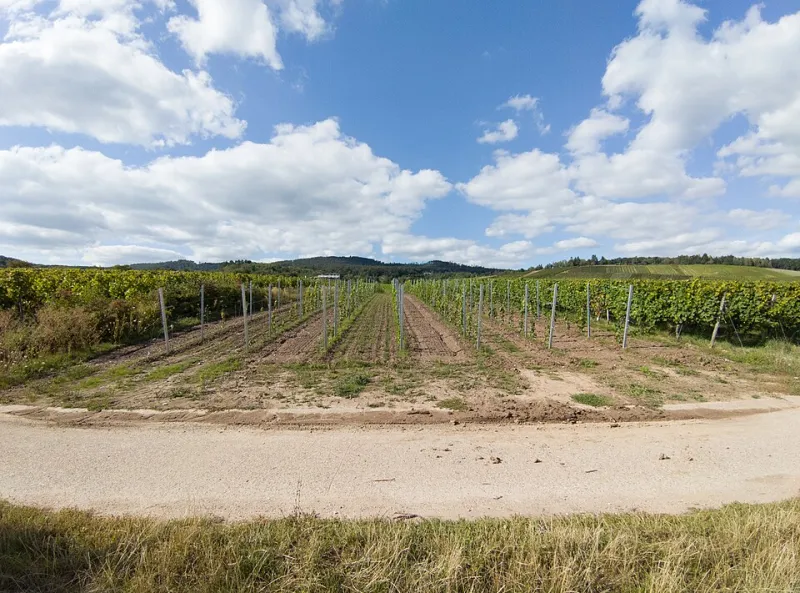
Photo: Matti Blume, CC BY-SA 4.0, via Wikimedia Commons
English wine has spent years being congratulated for its sparkling. Fair enough. The best English fizz can stand beside champagne without embarrassment, and the chalky slopes of Sussex and Hampshire have earned their reputation. But the quieter story in 2026 is the still wine. Whites, rosés and even a few reds are now worth seeking out on purpose, not just as a novelty between tastings at the cellar door.
This is not about pretending every English still wine is a masterpiece. It is about knowing where the value is, what style to expect, and how to pair it with food without overthinking it.
Why English still wine tastes better than it used to
A decade ago, many English still whites were tart and thin, with acidity doing all the work because the fruit had not ripened. Producers have learned a lot since then. Better site selection has helped: vineyards are planting where grapes ripen more reliably, not just where the view is nice. Lower yields, better clone choices and more thoughtful winemaking have added texture and depth. Stainless steel keeps the aromatics fresh, while lees ageing and a little oak can round out the edges.
The result is a category that now has range. Bacchus can be aromatic and vivid. Chardonnay can be crisp or gently creamy. Pinot Noir can make a pale, pretty rosé or a light red with real charm. The best bottles are not trying to be Burgundy or Marlborough. They taste like a cool-climate place that is finally getting comfortable in its own skin.
Bacchus: the flag-bearer
If you try one English still white in 2026, make it Bacchus. It is the grape that most clearly says England, with elderflower, nettle, pink grapefruit and a gooseberry tang. Good examples from Lyme Bay, Chapel Down and Three Choirs show how flexible it can be: some are tight and citrus-driven, others have a little more weight and a saline edge.
For food, Bacchus is a natural with crab on toast, asparagus with hollandaise, fish and chips with plenty of vinegar, or a soft goat's cheese. It has enough acidity to cut through richness but enough aroma to stand up to green vegetables, which is not always an easy trick.
Chardonnay and friends
English Chardonnay is quietly improving. Expect green apple, lemon, white peach and sometimes a faint hazelnut note if the wine has seen lees contact or oak. Denbies, Biddenden and Stopham are among the producers worth watching, and a well-made English Chardonnay can be a smart match for roast chicken, scallops, creamy pasta or a vegetable tart with a buttery pastry case.
Other whites are worth a look too. Pinot Blanc can feel rounder and more textured. Ortega and Solaris can bring floral notes and a softer finish. These are not supermarket staples yet, so they are the sort of bottles to try when you are buying direct or browsing a specialist online merchant.
Rosé and the light reds
English rosé has moved on from the sweetish, simple style that once gave it a bad name. Pinot Noir rosé from Bolney or Chapel Down can be pale, dry and fresh, with strawberry, rhubarb and a crisp finish. It is picnic wine, but not in a throwaway way. Pair it with charcuterie, salmon, quiche or a plate of tomatoes and mozzarella.
English red is still the niche within the niche, but it is getting better. Pinot Noir, Pinot Meunier and varieties such as Rondo and Regent can make light, crunchy reds with redcurrant, raspberry and a leafy edge. Serve them slightly chilled, as you would a light Beaujolais. They work with sausages, mushroom risotto, lamb koftas or a plate of cured meats. Do not expect a blockbuster. Expect freshness and drinkability.
How to buy without overspending
English still wine is not always cheap, but you do not need to spend £40 to get a good bottle. Start with Bacchus in the £14 to £20 range. Chardonnay and Pinot Blanc often land between £18 and £25. Light reds can be £20 to £30. If you are buying direct from a vineyard, check delivery costs before you fill a case, and consider splitting a mixed case with a friend. Many producers offer free delivery over a certain spend, and English Wine Week in June is a good time to look for tasting events and modest offers.
Online merchants are useful because they often describe the style clearly: aromatic, crisp, lees-aged, light red. That is more helpful than a pretty label. Buy two bottles rather than six if you are new to a producer. Try one chilled and one with food. English still wine is at its best on the table, not in a tasting note.
In 2026, the smart move is to treat English still wine as part of the main shopping list, not an afterthought. The bubbles can stay in the fridge for a celebration. The still bottles are for Tuesday dinner, Sunday lunch and the sort of everyday drinking that makes a wine region feel real.