Festive wine without the fallout: a calm £15-a-head buying plan
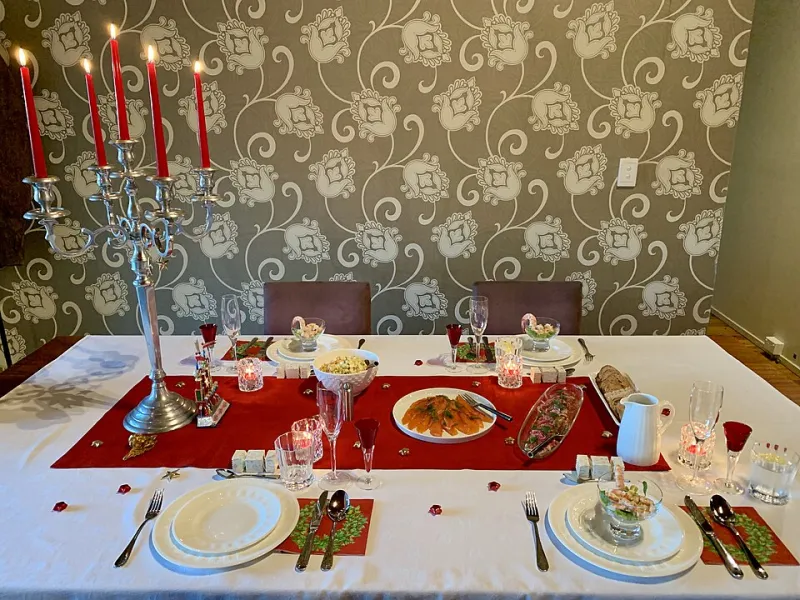
Photo: Chris Olszewski, CC BY-SA 4.0, via Wikimedia Commons
Christmas hosting has a way of making sensible people buy wine like they are stocking a small hotel. You spot a deal on a grape you barely drink, add a novelty label because it has a robin on it, and by 2 January you are staring at four half-empty bottles and wondering who drank the Chardonnay. A £15-a-head budget is not about being mean. It is about buying the right number of bottles, in styles that actually work with the food, so the table feels generous and the cupboard does not become a wine orphanage.
Start with a bottle count, not a grape
A standard 75cl bottle gives six 125ml glasses or five 150ml glasses. At a sit-down meal, assume two to three glasses per drinking adult. That means eight adults will get through roughly 16 to 24 glasses, or three to four bottles, before you have even thought about fizz.
A simple rule for Christmas 2026: one bottle per two guests for the meal, one bottle of sparkling for every six guests, and one spare bottle in a style you would happily drink in January. For eight people that is four meal bottles, two sparkling and one spare — seven bottles in total. At £15 a head you have £120 to spend, which is about £17 a bottle if you use the whole budget. You do not have to. Mixing £10 bottles with one or two £20 bottles usually drinks better than seven bottles at exactly the same price.
If you are hosting 12, the same maths gives you six meal bottles, two or three sparkling and two spares. If there are non-drinkers or light drinkers, subtract accordingly. Do not add three extra bottles “just in case”. One spare is sensible; three is how leftovers happen.
The £15-a-head shopping list that actually works
For eight guests, a flexible plan looks like this:
- Two bottles of sparkling — crémant, Cava or English sparkling if the budget stretches — around £12 each.
- Two whites with good acidity: a dry Riesling, Chenin Blanc or unoaked Chardonnay, around £10 each.
- Two reds that are not too tannic: Pinot Noir, Gamay or a juicy Barbera, around £11 each.
- One versatile extra: a dry rosé, an amber wine or a second white, around £10.
- One half-bottle of dessert wine or fortified wine, around £9, if you are doing pudding.
That comes to roughly £85, leaving £35 for a better bottle of red, a second sparkling, or simply keeping the budget down. The point is not to hit exactly £15 a head. The point is to spend where it shows.
Pairing turkey, ham and the veggie centrepiece
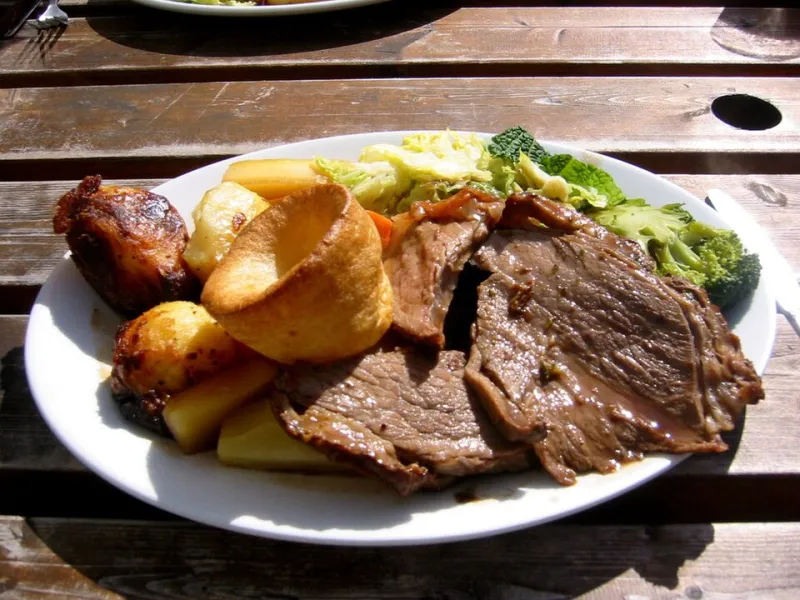
Turkey is milder than people remember. It does not need a big, oaky red. It needs acidity to cut through the gravy and a little fruit to flatter the meat. Unoaked Chardonnay, Chenin Blanc and off-dry Riesling all work well, and Pinot Noir or Gamay will keep the red drinkers happy without overwhelming the plate.
Ham is saltier and often a little sweet, especially if it is glazed. That is a job for Riesling, dry rosé, Beaujolais or sparkling wine. If you are serving both turkey and ham, a dry Riesling and a Pinot Noir will cover most of the table.
Vegetarian centrepieces are where a little thought pays off. A mushroom Wellington loves Pinot Noir or Barbera. A nut roast works nicely with Chardonnay or a gently off-dry Riesling. A squash or root vegetable tart is happiest with Chenin Blanc or a fresh Sauvignon Blanc. Avoid a big, tannic Cabernet with vegetable dishes; it can make everything taste metallic.
Where to spend and where to save
Spend on the sparkling if you are opening the meal with it, and spend on one red or white that you are genuinely excited to pour. A £20 bottle of thoughtful Pinot Noir will do more for the table than three £7 bottles of something forgettable. Save on the second white, the cooking wine and the backup bottle. Nobody needs an expensive wine for the gravy.
A mixed case from a merchant you trust is often better value than panic-buying six random bottles from a supermarket end aisle. If friends ask what to bring, suggest a bottle of something they love rather than a specific wine. It adds variety, takes pressure off your budget and usually means at least one bottle gets opened with enthusiasm.
The no-orphan rule
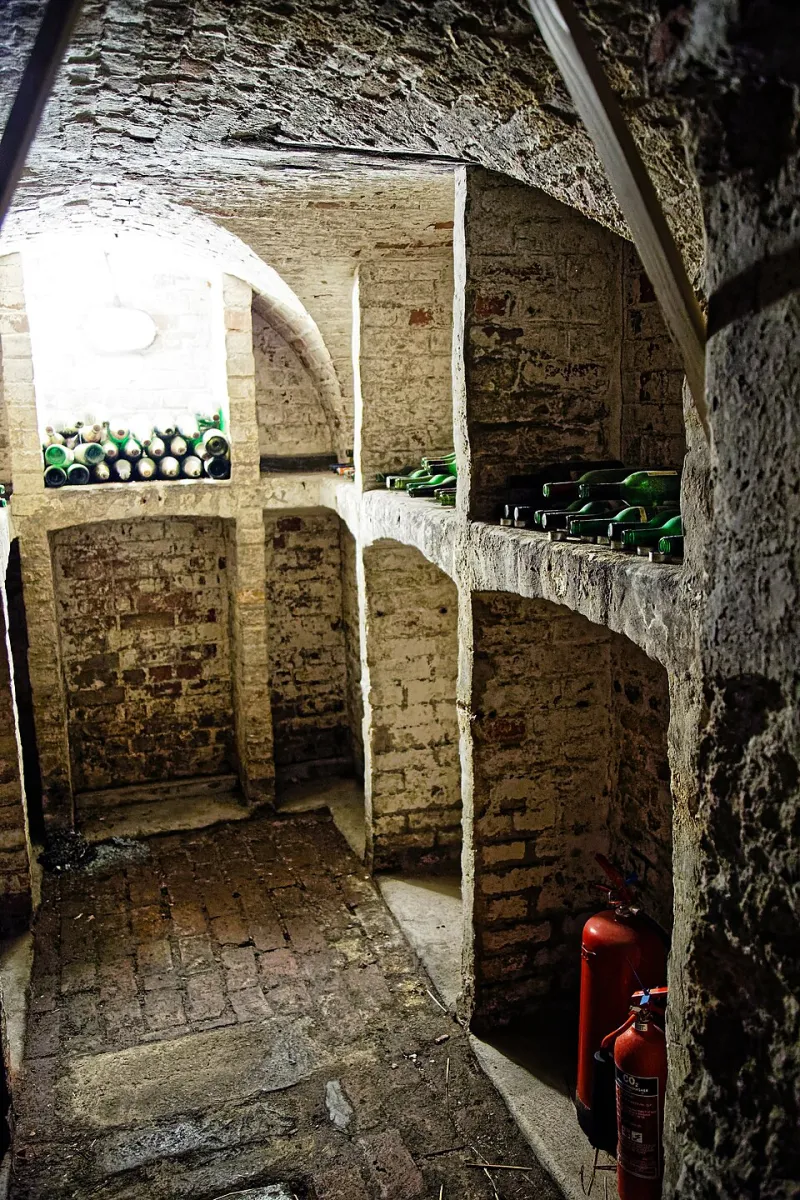
Open bottles can be stoppered and kept in the fridge for two or three days. Red wines will last a little longer than you think, especially if you decant them back into a smaller bottle to reduce the air. Leftover wine can also go into ice cube trays for cooking, into a batch of mulled wine, or into a gravy. What it should not do is sit on the worktop for a week while everyone pretends it might still be nice.
Label open bottles with the date. Ask guests to take a bottle home if you have overbought. And next year, keep the bottle count from this year. A £15-a-head Christmas does not have to look frugal. It just has to look planned.