Strong, Not Sticky: A UK Drinker’s Guide to High-Alcohol Wine That Stays Balanced
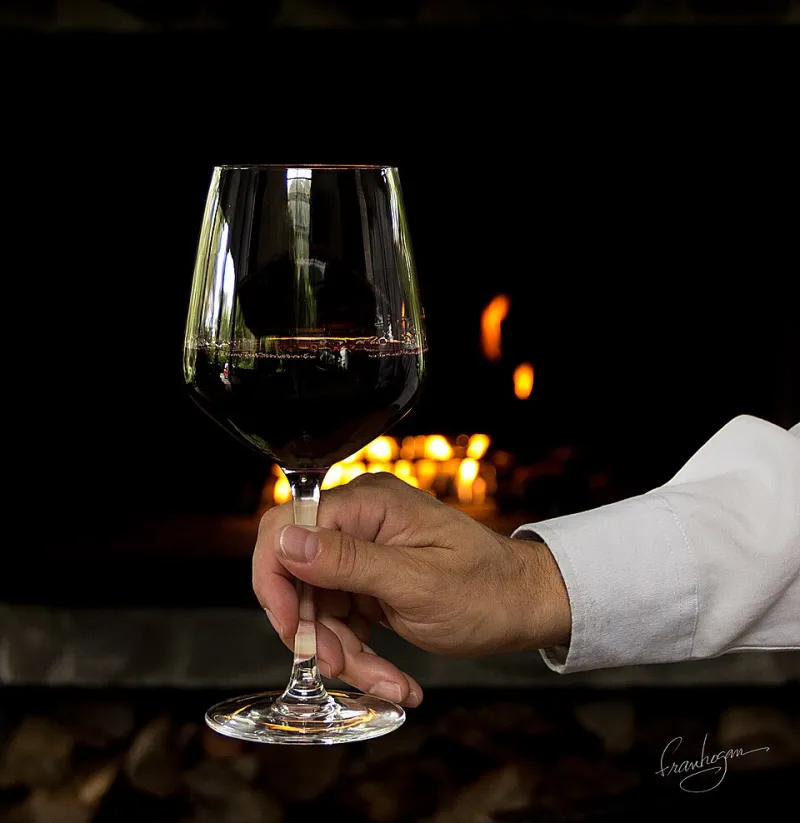
Photo: FranHogan, CC BY-SA 4.0, via Wikimedia Commons
There was a time, not so long ago, when a 13% ABV red felt like a big night out. In 2026, the UK shelf is full of 14%, 14.5% and even 15% bottles, and the number has become a talking point in itself. It is worth saying plainly: a higher alcohol level is not a fault. Alcohol gives a wine body, carries aroma and helps it stand up to rich food. The question is whether the wine has the fruit, acidity and tannin to carry the alcohol in return. When it does, a bigger bottle can be superb. When it does not, you get the dreaded hot finish — a wine that feels more like a spirit than something you want to drink with dinner.
Why 14.5% keeps turning up in your basket
Better viticulture, warmer growing seasons and a taste for ripe, generous styles have all pushed ABVs upwards. It is not a conspiracy and it is not automatically a problem. But it does mean the ABV line on the back label deserves a glance, especially when you are buying online and cannot swirl a glass first.
The 15% rule, without the rulebook
The so-called 15% rule is a useful bit of shorthand rather than a legal threshold. Think of it as a warning light: once a dry wine gets near 15%, the alcohol needs to be doing a job. In a ripe southern Rhône blend, firm tannin and savoury garrigue flavours can absorb 14.5% comfortably. In a cheap, soft, jammy red with no acidity, the same number can feel clumsy. The test is not the number alone but whether the wine tastes complete. A balanced 14.5% wine should feel warming rather than burning, with a finish that stays fresh and savoury. A hot wine tends to leave a prickle at the back of the throat, a bitter edge and a slightly sweet, syrupy aftertaste.
Three checks before you tap buy
First, check the style baseline. A Chablis at 14% is unusual; a Californian Zinfandel at 14.5% is not. If the number looks out of step with the grape and region, read the tasting note for clues such as ‘baked’, ‘very ripe’ or ‘sweet-fruited’. Second, consider the vintage. Warm years often push alcohol up, and a producer may pick earlier to keep freshness. Third, ignore the lazy assumption that expensive equals balanced. Price is not a guarantee, but a very cheap 14.5% red is more likely to rely on sweetness and oak than a pricier bottle with concentrated fruit. On Wine On-Line, use the ABV field as a filter in the same way you would use price: not to exclude everything above 14%, but to narrow the field to styles you actually enjoy.
When a bigger wine earns its alcohol
Some styles positively need a bit of weight. Southern Rhône Grenache blends, Argentine Malbec, Californian Cabernet, Australian Shiraz and Amarone all operate in the 14–15.5% zone, and the best examples feel seamless. They have the tannin, acidity and savoury depth to keep the alcohol in check. Serve them with roast lamb, beef short ribs, mushroom and lentil bakes or a proper hard cheese. These are wines for cool evenings and slow meals, not for a quick glass before the school run.
When it just tastes hot
The warning signs are fairly consistent. On the nose, you may get a whiff of neat spirit rather than fruit. In the mouth, the alcohol sticks out at the sides of the tongue or burns on the way down. The finish is short and bitter, or oddly sweet. Sometimes the culprit is simply serving temperature: a 14.5% red at 20°C will feel hotter than the same wine at 16–17°C. Give bigger reds a spell in the fridge — 20 minutes is often enough — and do not overfill the glass. If a wine still feels hot after that, it is probably not for you.
Food pairing: match the weight, not the number
High-alcohol wines and spicy food are often a bad match. Chilli and alcohol both turn up the heat, so a 15% Shiraz with a Friday curry can feel like a bonfire. If you want curry, look for off-dry Riesling, a modestly alcoholic white or a lighter red with fresh acidity. For rich, savoury dishes, the opposite applies: a 14.5% red with a braise or roast can work beautifully because the food has the fat and protein to soften the alcohol. Avoid putting a big, warm red next to delicate fish, green vegetables or anything with a lot of vinegar. The wine will taste hotter and the food will taste duller.
Value: what you are actually paying for
Alcohol duty in the UK is strength-based, so a stronger bottle carries a little more tax. That does not make every 14.5% wine poor value, but it does mean you should think about what you want from the bottle. If you usually have one glass with dinner, a 14.5% red may be fine. If you like a second glass on a Tuesday, a 13% wine can be the more sensible buy. The trick is not to chase alcohol as a marker of quality. Look for freshness, balance and a sense of place. A 12.5% cool-climate Pinot Noir can be every bit as serious as a 15% blockbuster — it is just doing a different job.
Ultimately, the 15% rule is less a rule than a question: does this wine taste like more than the sum of its alcohol? If the answer is yes, enjoy it with something rich and do not give the number another thought. If the answer is no, put it back and look for a bottle with a little more freshness. Your palate — and your Sunday roast — will thank you.