Six Bottles, No Novelty Corkscrew: Wine Gifts With Something to Say

Photo by Photo by Luigi Pozzoli on Unsplash on Unsplash
Buying a gift for someone who knows about wine is a trap. Buy them something obvious and you've told them you weren't paying attention. Buy them something eccentric and you've told them you were trying too hard. The safe middle ground — a decent bottle of something they'd happily drink but wouldn't necessarily reach for — is where the good gifts live.
Here's the thing, though: the person you're buying for has a corkscrew. Possibly three. They have a decanter gathering dust on a shelf and a set of those foil cutters that came free with a magazine. What they don't have is a bottle that says you'd thought about them specifically. That's the whole brief.
Why £15–£30 is the right bracket, even if it buys less than it used to
Below about £15, you're mostly paying for glass, label design and the logistics of getting the bottle onto a shelf. Above £30 you start apologising for the price. In between sits the sweet spot where a merchant can stock something with a bit of personality and still sell it without a hard sales pitch.
It's worth being honest that this band has been squeezed. Duty and VAT take a serious bite before the wine itself is even costed in, and the last few years of duty changes have pushed the entry point for anything interesting upwards. A £15 bottle in 2026 is roughly what a £11 bottle was a decade ago. Which is precisely why you should spend the full £15 rather than £12 and a nice bag — the extra three pounds does real work at this level.
The six
Manzanilla, around £15–£18
Dry, salty, bracing, and served cold from a small glass. Look for anything from Sanlúcar de Barrameda — La Guita and Hidalgo's La Gitana are both widely available and both sit comfortably in budget.
What it says: I trust you not to be frightened by a wine that tastes of the sea. It's the bottle nobody else at the table will have brought, and it turns a bowl of salted almonds into an event. Serve it with olives, jamón, or a bag of proper crisps and watch the room rearrange itself around the bottle.
Cru Beaujolais, around £20–£26
Not Nouveau — the named-village stuff. Fleurie, Morgon, Côte de Brouilly from a grower who puts their name on the front. Château Thivin is a reliable name to search for.
What it says: I know that Gamay is a serious grape and I'm not going to make a Beaujolais joke. Chill it for twenty minutes, then pour it with roast chicken, sausages or a Boxing Day ham. It's the most useful red in the house and almost nobody buys it deliberately.
Mosel Riesling Kabinett, around £16–£22
Off-dry, low in alcohol, absurdly refreshing. Dr Loosen and Selbach-Oster both turn up in independents and on the bigger online lists.
What it says: I've done the homework on sweetness and I'm not scared of it. The person who claims not to like sweet wine will finish this and ask what it was. It's the single best takeaway-curry bottle in existence, and it costs less than the delivery minimum.
Etna Rosso, around £22–£28
Nerello Mascalese from the slopes of the volcano — pale, wiry, faintly smoky, somewhere between Burgundy and a very good chilled red.
What it says: I've moved past the point where 'light red' means Pinot Noir and nothing else. Pour it with mushrooms, aubergine, or anything off a charcoal grill. It's the bottle that makes a midweek dinner feel like it had a budget.
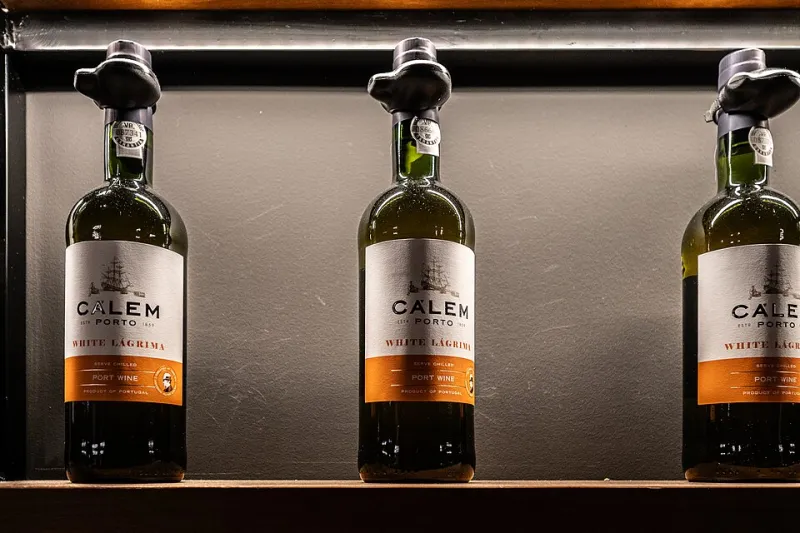
Ten-year-old tawny port, around £25–£30
Taylor's, Graham's, Quinta do Noval — the ones with the age statement, not the ruby on the supermarket shelf.
What it says: I've thought about what happens after the pudding. Tawny keeps for weeks in the fridge once opened, so it becomes a gift that keeps giving every evening through January. Mince pies, blue cheese, walnuts, or nothing at all.
Loire Cabernet Franc, around £16–£22
Chinon or Saumur-Champigny from a decent grower. Serve it slightly cool — fifteen minutes in the fridge door is plenty.
What it says: I know what to do with the leftovers. It's the red that handles turkey, stuffing and goat's cheese with equal ease, and it doesn't collapse when the room gets warm. Practically the definition of a useful gift.
The December maths: when to actually order
Christmas Day falls on a Friday in 2026, and Boxing Day on the Saturday means the substitute bank holiday lands on Monday the 28th. That combination compresses the courier window more than people expect.
As a working rule, most UK wine merchants want your order in by around 10–12 December for a comfortable standard delivery, with standard cut-offs typically falling somewhere between the 17th and the 19th and express services pushing to roughly the 22nd or 23rd. Treat all of those as approximations and check the specific retailer's page — every merchant publishes its own grid, and they change it when the networks get busy. The genuinely safe move is to order in the first week of December and hold the bottles yourself until you hand them over.
A few practical notes for online orders:
- Someone has to be in. A wine box left in a porch in mid-December is a gamble, and re-delivery attempts eat days you don't have. Nominated-day delivery or click-and-collect at a local branch solves most of this.
- Avoid work addresses in the last week. Offices empty out and parcels get signed for by people who then go on leave.
- Don't send anything wax-sealed or oddly shaped. Courier sorting is not gentle, and a novelty bottle is a broken bottle waiting to happen.
- Check the destination. Some courier networks restrict alcohol to certain postcodes, particularly in the Highlands and islands.
Presentation that survives a van
Moulded pulp inserts and inflatable sleeves look dull and work brilliantly. Ribbon and tissue paper look lovely and protect nothing. If you want the unboxing to feel like a gift rather than a delivery, spend the money on a merchant that packs properly and add your own touch on top: a handwritten card slipped inside the lid beats a printed gift message every time.
And if you're posting more than one bottle, consider a small wooden case — they're heavier, so check the delivery charge, but they arrive intact and get kept. The recipient ends up with something to store the next few years of gifts in, which is a roundabout way of giving them a wine rack.
One last thought. If all six of these feel too specific, buy the Manzanilla and a decent bag of Marcona almonds and wrap them together. It costs about £22, it takes four minutes, and it will be the present that gets talked about at the table.