Radiator reds and fridge-door whites: a no-kit guide to wine temperature
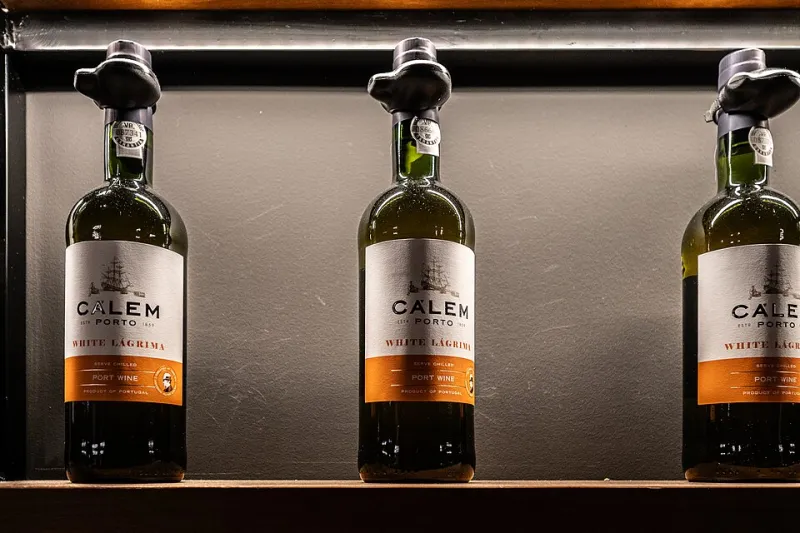
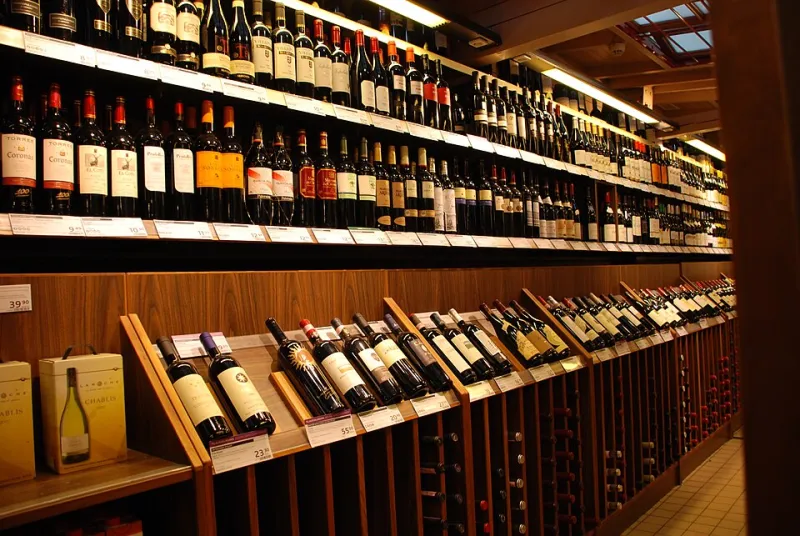
Photo: Michael Gaylard from Horsham, UK, CC BY 4.0, via Wikimedia Commons
There is a particular kind of disappointment that comes from doing everything right except the temperature. You buy a decent bottle, cook something that deserves it, then serve the white so cold it tastes like mineral water with a memory of fruit, or the red so warm it feels like a hug from someone in a sauna. No wine fridge, no thermometer and no lecture required. Your kitchen already has the tools: a fridge, a bucket, a clock and a door.
The short version: aim for the middle, not the maximum
Serving temperature is not about freezing whites and heating reds. It is about staying out of the way. Too cold and aromas go quiet; too warm and alcohol pushes forward, fruit turns jammy and tannin feels rougher than it should.
Useful UK-kitchen ranges, in Celsius:
- Sparkling wine: 6–8°C. Cold, but not teeth-aching. A good quality vintage sparkler can handle 8–10°C.
- Light, crisp whites and rosé: 7–10°C. Think Picpoul, Muscadet, dry Riesling, Provence-style rosé.
- Richer whites: 10–13°C. Oaked Chardonnay, white Rhône, aged Chenin Blanc.
- Light reds: 12–15°C. Beaujolais, Pinot Noir, cool-climate Cabernet Franc.
- Medium and fuller reds: 15–18°C. Claret, Rioja Reserva, Chianti Classico, most supermarket Malbec.
- Big tannic reds: 16–18°C. Young Cabernet Sauvignon, Syrah, Douro reds. Slightly cool is better than stewed.
- Fortified wines: dry fino Sherry 6–8°C; tawny Port, oloroso and most sweet styles 14–16°C. Vintage Port can be served a touch warmer, but not radiator-warm.
Why your fridge is lying to you
A domestic fridge usually runs at about 3–5°C. That is excellent for milk and leftovers. It is not the ideal serving temperature for most white wine. At 3°C, the nose shuts down, acidity feels sharper and the finish can seem short. You may conclude the wine is thin or dull when it is simply numb.
The fix is not to leave the bottle on the worktop for an hour while you get distracted by the oven. It is a short, deliberate spell out of the cold. For a standard 75cl white, 15–20 minutes on the counter is usually enough to move it from fridge-cold to a useful 9–11°C. If the kitchen is warm, aim for the shorter end. If you are pouring into large glasses, the wine will warm further in the glass, so err on the cool side.
Why your kitchen is the enemy of red wine
Most UK kitchens sit somewhere around 18–22°C, and near a radiator, oven or sunny windowsill it can be warmer. Red wine served at 24°C tastes loose and alcoholic. The fruit goes syrupy, the finish turns hot and the tannins seem to clamp down. It is not a faulty bottle; it is a bottle on holiday in the wrong climate.
A red that feels too warm needs about 15–20 minutes in the fridge door, not the main body of the fridge. The door is slightly warmer and less brutal. If you have a cool larder or a garage that is not freezing, that works too. Do not use the freezer as a shortcut. A forgotten bottle can crack, and an over-chilled red needs longer to come back than most people are willing to wait.
The 20-minute method: bucket, door, clock
You do not need a thermometer habit. You need a repeatable routine.
For a white that has been in the fridge: take it out 20 minutes before you plan to pour. Set a timer. Put it back for the last five minutes if the kitchen is hot. If you are in a hurry, pour a glass and swirl it for a minute or two; the glass will warm it faster than the bottle.
For a red from a warm room: stand it in the fridge door for 20 minutes. Set a timer. Check at 15 minutes if the bottle is small or the room is very warm. If you have forgotten it for half an hour, take it out and let it sit for 10 minutes before serving.
For either, when you want speed: a bucket with cold water and a handful of ice is the most useful wine tool in the house. A 50/50 mix of water and ice will chill a white in about 15 minutes and take the edge off a warm red in 10–15. No ice? Cold water from the tap and a frozen pack of peas wedged in the bucket will do a reasonable job. A bucket is also kinder than the fridge because you can watch it.
The clock test: rather than guessing, use 10, 15 and 20 minutes as your checkpoints. Taste a small sip at each. The wine should move from tight and cold to open and scented, then eventually to soft and warm. Stop at the point where it smells best to you. That is the only thermometer that matters.
A supermarket bottle at three temperatures
Take one inexpensive dry white – a £7–£9 Picpoul, Sauvignon Blanc or unoaked Chardonnay from the supermarket – and taste it at three points.
- Straight from the fridge, around 4°C. The first impression is cold and clean, but the nose is muted. Acidity dominates. It tastes more like texture than fruit.
- After 20 minutes on the worktop, around 10°C. This is usually the sweet spot. Citrus and orchard fruit appear, the acidity feels balanced rather than sharp, and the finish lasts longer.
- After another 20 minutes, around 16°C. The wine feels rounder, but it can also feel flatter. If it is a simple white, the freshness drops away and the alcohol becomes more noticeable.
The same test works with a light red. Serve it cool from the fridge door, then at room temperature. The cool version will show more structure and freshness; the warm version will feel softer and sweeter, but often less precise. Neither is wrong. The point is that you can taste the difference, and you can choose.
The exceptions worth knowing
Sparkling wine is the one style where a proper chill is not a crime. Serve it at 6–8°C, and keep the bottle in the bucket between pours. A warm sparkling wine foams awkwardly and loses its snap.
Fortified wines are more varied than most people expect. Fino and manzanilla Sherry are best straight from the fridge, while tawny Port and oloroso Sherry show more complexity at 14–16°C. Sweet wines can handle cool temperatures, but not ice-bucket cold.
Big, tannic reds are the other exception. They do not need to be warm; they need to be cool enough to keep the tannin in shape. If a young Cabernet or Syrah tastes harsh, try it 2–3°C cooler than you served it. You may find the fruit comes forward and the structure settles down.
None of this requires a new appliance or a degree in oenology. It requires a clock, a bit of counter space and the willingness to taste as you go. Your fridge is too cold and your kitchen is too warm, but the gap between them is where most wine tastes best.