Zero, but not void: alcohol-free wine in 2026 that earns its place at the table
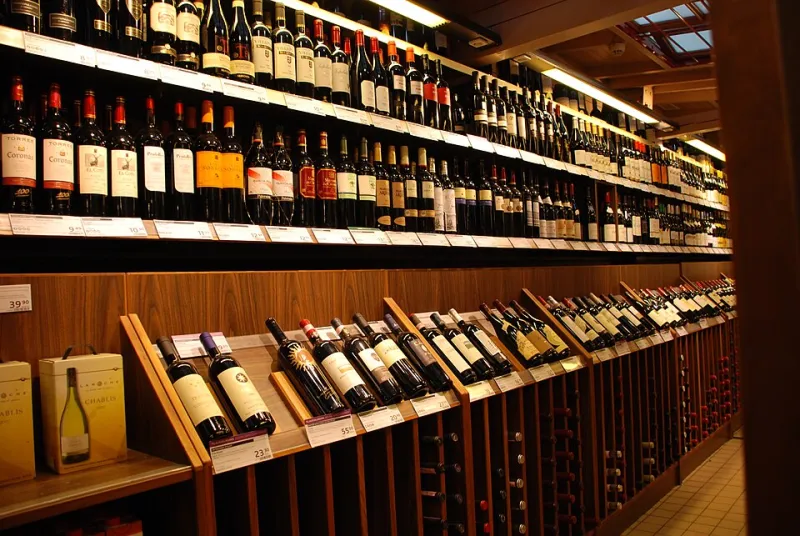
Photo: flöschen, CC BY 2.0, via Wikimedia Commons
As the Christmas party invitations start stacking up, so does the quiet question of what to drink when you are not drinking. The good news for 2026 is that the alcohol-free wine shelf is no longer a desert of sugary white grape juice in a wine-shaped bottle. The bad news is that it is still a mixed bag, and the gap between the convincing bottles and the hollow ones is wider than the price tag often suggests.
This is not a lecture about moderation. It is a shopping guide. Treat the 0.0% aisle the way you would any other part of the wine range: with a bit of scepticism, a bit of curiosity, and a clear idea of what you want from the bottle.
How the 0.0% bottle actually gets made
Most alcohol-free wine starts life as ordinary wine. The alcohol is then removed, usually by one of three methods: vacuum distillation, reverse osmosis, or the spinning cone column. All three do roughly the same job at different temperatures and pressures, and all three tend to take some of the aroma and texture with them. That is the central problem. Alcohol carries flavour, body and a certain warmth, and when you strip it out you have to put something back or accept a thinner drink.
That is why the best producers now blend, adjust and rebuild. Some add back aromatic extracts, some use unfermented grape juice to restore sweetness and weight, some lean on lees contact or oak for texture. The results are getting genuinely good in the styles where the wine was never doing heavy lifting in the first place: crisp whites, dry rosé, sparkling wine and lighter aromatic styles.
The styles that currently work, and the ones that don't
Sparkling is the standout. The bubbles give the palate something to do, the acidity is naturally high, and the lack of alcohol is far less noticeable. A chilled alcohol-free fizz, served in a proper flute with a bit of lemon peel, is a perfectly decent aperitif. Look for bottles labelled brut or extra dry rather than anything described as sweet or fruity.
Crisp whites are the next safest bet. Sauvignon Blanc and Albariño-style bottlings tend to keep their zip, and the greener, zestier examples hide the missing alcohol better than oaky Chardonnay ever will. Dry rosé can work nicely too, especially the paler Provençal-style ones, provided you drink them cold and do not expect much length.
Reds remain the weak spot. Without alcohol, the tannin and body that make red wine satisfying tend to collapse into a thin, vaguely jammy liquid. There are exceptions, usually darker, spicier styles with a bit of oak or a touch of sweetness, but go in with low expectations and you will be happier. Sweet wines, ironically, often work best of all, because sugar gives the palate something to hold on to. A glass of alcohol-free muscat or a dessert-style 0.0% is a far more honest proposition than a pretend Cabernet.
Serving: treat it like wine, not a penance
Temperature matters more than ever. Alcohol-free whites and rosés should be properly chilled, and I mean fridge-cold, not cellar-cool. The cold masks the slightly hollow mid-palate and keeps the fruit fresh. Sparkling should be colder still. Reds are best at the lower end of room temperature, and if you can chill them for twenty minutes, do.
Glassware is not fussy advice, it is practical. A proper wine glass gives the aromas somewhere to gather and makes the whole ritual feel less like a consolation prize. Add a garnish if you like: a slice of lemon, a sprig of rosemary, a couple of bruised mint leaves. A splash of tonic in an alcohol-free white makes a very decent spritz. And do not be afraid of ice.
The other thing to remember is that alcohol-free wine does not keep well once opened. It has no alcohol to protect it, so treat it like fresh juice: drink it within two or three days, keep it in the fridge, and do not expect it to survive the week.
What to eat with it
Pairing is easier than you might think, because the missing alcohol means you are not fighting tannin or heat. Crisp alcohol-free whites love salty things: olives, salted almonds, a bit of cured fish, a goat's cheese tart. Sparkling 0.0% is a natural partner for oysters, chips with too much vinegar, or anything fried. Dry rosé handles salads, grilled vegetables and light pasta without complaint.
Where it gets tricky is rich, fatty food. Without alcohol to cut through, a beef stew or a creamy gratin will overwhelm most alcohol-free reds. Reach for a darker, spicier bottling with a bit of sweetness, or simply switch to an alcohol-free beer or a sparkling water with a good squeeze of lime. There is no shame in that. The point is the meal, not the bottle.
The budget question: where your £8 goes
Prices have settled down in 2026. Supermarket own-label alcohol-free wines sit around £4 to £7, the branded bottles mostly run £7 to £12, and the premium end, usually online specialists or independent wine merchants, pushes £15 and beyond. The mid-range is where most of the good stuff lives. Below £5, you are often paying for sweetness and packaging rather than flavour. Above £15, you should expect something genuinely interesting, not just a fancy label on a thin liquid.
My advice is to buy two bottles rather than one. Try a crisp white and a sparkling, chill them properly, and taste them side by side with food. You will learn more in one evening than from any amount of shelf-reading. And if a bottle tastes sweet and hollow, do not force it. The category is improving fast, but it is not yet a place where every bottle is a winner. Buy the styles that suit the job, serve them cold, and the 0.0% shelf will earn its place in your kitchen.