Heat, cream and tamarind: a practical wine plan for Friday curry night
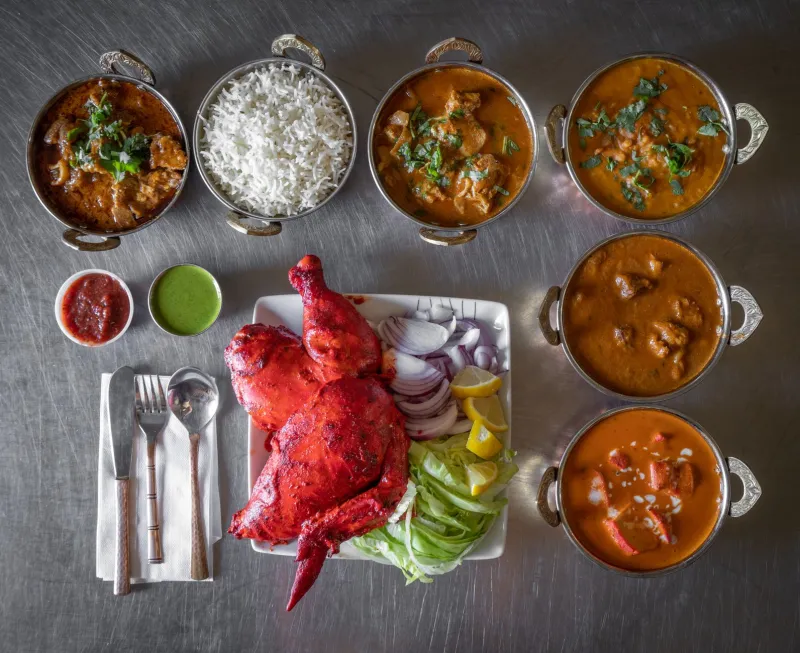
Friday night, the takeaway app is open, and the curry order is taking shape. Then comes the wine question. The old answer is lager, or maybe an off-dry white if someone is feeling adventurous. Both can work, but they are not the whole story. A korma, a vindaloo and a dry tandoori chicken are doing very different things to your palate, and one bottle rarely flatters all three. The good news is that you do not need to spend much. With a little thought, a couple of bottles under £15 can cover the whole table. In 2026, a good takeaway curry is still one of the best-value nights in, and the wine does not need to cost more than the naan.
Why curry night is trickier than it looks
Chilli heat is the first hurdle. Capsaicin, the compound behind that burn, is made more intense by alcohol, especially strong alcohol. A 14.5% red that feels smooth on its own can turn fiery alongside a vindaloo. So the first rule is simple: keep the alcohol modest where you can. Bottles in the 11.5% to 13% range are usually easier company for spice.
Sweetness is the second tool. It is not about serving a dessert wine with dinner. A touch of residual sugar in an off-dry Riesling or Chenin Blanc can round off the edges of chilli and make the whole dish feel less aggressive. Acidity matters too, because it cuts through cream, coconut and ghee. Tannin is the one to watch. Big, grippy reds can clash with spice and taste dry or metallic, so light reds with soft tannins tend to do better than a hefty Cabernet.
Aromatics help as well. Cumin, coriander, cardamom and fenugreek are generous spices, and wines with their own perfume — think Riesling, Gewürztraminer, Viognier or Chenin — can meet them halfway rather than fighting them.
The quick curry wine chart
| Dish | What is happening | Wine move | Bottle to look for under £15 |
|---|---|---|---|
| Korma or butter chicken | Cream, cashew, coconut, mild spice | Textured white with a hint of sweetness and good acidity | South African Chenin Blanc; Vouvray sec; Viognier |
| Tikka masala | Tomato, cream, char, gentle heat | Rosé or soft juicy red | Grenache rosé; Cinsault; unoaked Tempranillo |
| Vindaloo | Hot, sour, garlicky, vinegar kick | Off-dry aromatic white, lower alcohol | Off-dry Riesling; Gewürztraminer; white Zinfandel if you like it |
| Tandoori chicken | Dry char, yoghurt, spice, little sauce | Dry rosé or light red served cool | Pinot Noir; Gamay; Cinsault |
| Dhal | Earthy lentils, cumin, garlic | Light red or textured dry white | Beaujolais-Villages; Frappato; Picpoul de Pinet |
| Biryani | Aromatic rice, saffron, spice | Dry aromatic white or light red | Dry Riesling; Pinot Noir; Jacquère |
| Saag paneer | Spinach, cheese, gentle spice | Fresh dry white with texture | Assyrtiko; Picpoul; dry Chenin |
The dishes in more detail
Korma is often treated as the easy option, but it is not necessarily the easiest wine match. The sauce is rich and sweetish, with nuts or coconut doing a lot of the work. A lean, acidic white can feel sharp against all that cream. Something with a bit of body and a gentle off-dry edge is more comfortable: a South African Chenin Blanc is a reliable buy, and a Vouvray sec or demi-sec at the top of the budget can be lovely. Avoid heavily oaked Chardonnay unless you know the bottle well; the oak can make the dish taste sweeter and heavier than it is.
Tikka masala sits between mild and medium, with tomato, cream and a little char from the grill. A dry rosé is a very practical answer, especially one with enough fruit to handle the tomato. If you prefer red, go soft and juicy — Grenache, Cinsault or an unoaked Tempranillo — and serve it cool, around 14°C. A light chill makes a big difference with spicy food.
Vindaloo is where good intentions often fall apart. The heat is obvious, but the vinegar and garlic are just as important. You want a wine with sweetness and perfume, not tannin and alcohol. An off-dry Riesling is the classic move, and a Gewürztraminer can work if you like that grape's lychee-and-rose style. If you are buying online, check the abv and look for words like off-dry, feinherb or medium-dry on the label. Do not worry about the wine being too sweet; with a hot curry, that bit of sugar reads as balance rather than pudding.
Dry tandoori chicken is a different puzzle. There is less sauce, more char, and a yoghurt marinade that gives a tangy edge. A dry rosé is excellent here, as is a light red served cool. Pinot Noir and Gamay are the obvious choices, but a Cinsault from South Africa or southern France can be great value and has the right easy-going texture. Skip the oaky reds and the high-alcohol blockbusters.
Dhal is the quiet hero of the takeaway table. Earthy lentils, cumin and garlic can handle a light red with freshness, such as Beaujolais-Villages or Frappato. If you are drinking white, a textured dry white like Picpoul de Pinet or a dry Chenin works well. The same bottles will happily see you through saag paneer and vegetable sides.
If you only buy two bottles
One white and one red will cover most orders. For the white, pick a South African Chenin Blanc around the £8 to £12 mark. Look for one described as off-dry, or simply a ripe, textured style with good acidity. It will handle korma, tandoori chicken, dhal and milder tikka masala without wilting.
For the red, buy a Beaujolais-Villages or a Gamay from the Loire. At £10 to £14, it gives you soft fruit, low tannin and a refreshing finish that works with tandoori, dhal and biryani. Chill it for 20 minutes before serving. If you are shopping online, a mixed six is often the smarter buy: two bottles of each, plus a couple of wildcards, usually beats paying delivery on a single bottle.
A short buying checklist
Look for abv around 11.5% to 13%, especially for hot dishes. Choose aromatic whites with a little sweetness over big, oaky whites. Pick light reds with soft tannins, not powerful, tannic reds. Serve whites properly chilled and reds cool rather than warm. And remember that the best pairing is the one you actually want to drink. Curry night is not a exam; it is dinner.
The takeaway may be the main event, but the right bottle makes it feel like a proper Friday. Start with one off-dry white and one light red, and you will have most of the menu covered before the poppadoms hit the table.