Six bottles that run the house: a weeknight wine shelf from your laptop
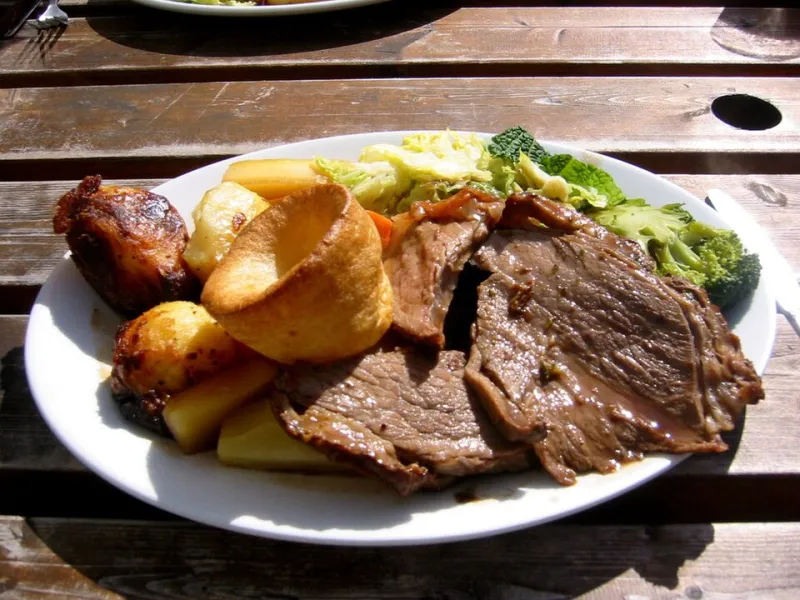
Photo: Pittigrilli, CC0, via Wikimedia Commons
There is a particular kind of wine rack that looks impressive and does nothing. Fifteen bottles, no plan, and a Tuesday night where nobody wants to open the odd oaky thing at the back. The antidote is not a bigger rack. It is a smaller, sharper house range: six bottles that between them cover most of what a UK week actually asks for.
The idea is fewer, better bottles. Not expensive bottles, necessarily, but bottles with a job. You want a default white for fish fingers and a default red for a midweek chilli. You want one bottle that can take a roast chicken seriously and one that can turn Friday chips into an occasion. And you want a wildcard, because a house range should still be fun.
Buying this online is easier than it used to be, but only if you use the filters properly. Here is the blueprint.
Why six is the magic number
Six bottles is enough to cover a week of different meals without turning into a collection. It also tends to hit free-delivery thresholds at many UK online merchants, which is the quiet reason a six-bottle list makes sense. Three bottles often incur a delivery fee; twelve bottles can become a storage problem. Six is the practical middle.
The other advantage is that you can see the gaps. If you have one crisp white, one richer white, two reds, a sparkling and a wildcard, you are rarely stuck. You are also less likely to open a bottle just because it is there. A small range encourages a bit of thought.
The six-bottle blueprint
1. The crisp white — £8 to £12
Think dry, unoaked and refreshing. Picpoul de Pinet, Muscadet, Albariño, young English Bacchus or a simple dry Riesling all fit. Look for words like ‘crisp’, ‘citrus’, ‘saline’ and ‘unoaked’. This is the bottle for fish, salads, takeaways, grilled vegetables and anything with lemon or herbs. Serve it properly cold and do not overthink it.
2. The richer white — £10 to £16
This is the one that handles roast chicken, creamy pasta, pies and buttery fish. Chardonnay is the obvious choice, but Chenin Blanc, white Rhône, Godello or a textured English white can do the job. Look for ‘lees-aged’, ‘textured’, ‘subtle oak’ or ‘stone fruit’. You want a bit of weight without turning into a block of butter.
3. The light red — £9 to £14
Gamay, Pinot Noir, Cabernet Franc, Cinsault or a light Italian red. Look for ‘light-bodied’, ‘low tannin’, ‘fresh’ and ‘chillable’. This is your pizza, sausage, mushroom and halloumi bottle. A light chill — twenty minutes in the fridge — makes it much more useful on a warm evening or with a tomato-heavy supper.
4. The sturdy red — £12 to £18
Syrah, Malbec, Tempranillo, Cabernet Sauvignon or a southern French red. Look for ‘medium-bodied’, ‘spice’, ‘black fruit’ and ‘firm tannin’. This is the bottle for beef chilli, stews, sausages and mash, hard cheese and anything from the oven on a cold night. It does not need to be a blockbuster; it just needs enough grip to stand up to dinner.
5. The sparkling — £12 to £20
Crémant, Cava, English sparkling or a good traditional-method fizz. Look for ‘dry’, ‘traditional method’ and ‘lemony’. This is not just for celebrations. Sparkling with fish and chips, salty crisps, leftover roast chicken or a Friday omelette is one of the great UK weeknight pairings. Keep it in the fridge and stop treating it as a special-occasion bottle.
6. The wildcard — £10 to £18
This is the bottle that stops the range becoming a rut. An orange wine, an off-dry Riesling, a dry rosé, a pale cream sherry or a vermouth. The job is to pair with curry, salty snacks, Sunday leftovers or a cheese board that has got out of hand. Buy one you are curious about, not one you think you should like.
Online filter shortcuts that actually work
Start with style, not grape. ‘Dry’, ‘unoaked’, ‘light-bodied’, ‘medium-bodied’ and ‘cool-climate’ are more useful than a wall of regions. If you know you want a crisp white, filter for ‘crisp’ and ‘screwcap’ — it usually signals a fresh, drink-now style. For the richer white, try ‘textured’ or ‘lees-aged’. For the light red, ‘low tannin’ and ‘chillable’ are your friends. For the sturdy red, ‘spice’ and ‘firm tannin’ will narrow the field.
Check the delivery threshold before you fall in love with a mixed case. Many UK merchants offer free delivery over £60 or £75, so six bottles is often the sweet spot. Use ‘mix your own case’ filters if available, and look at staff picks or food-pairing notes rather than relying on discount badges. A bottle that is 20% off but wrong for your week is not a saving.
Price bands and a realistic total
At the lower end, the six bottles come to around £61: £8 crisp white, £10 richer white, £9 light red, £12 sturdy red, £12 sparkling and £10 wildcard. At the upper end, the same blueprint can reach £98. Most people will land around £75 to £85, which is a sensible monthly restock rather than a one-off splurge. In 2026, that is roughly the price of a couple of decent takeaways — and it covers more evenings.
Storing opened bottles without fuss
Write the date on the bottle with a marker. Keep whites and reds in the fridge once opened; a cool, dark place is fine for reds but the fridge slows everything down. Use a decent stopper and stand the bottle upright. Most dry whites and reds are good for three to five days; sparkling is best within one to two days, even with a special stopper. Fortified wines and sherry last much longer — two to four weeks — which is another reason a wildcard can earn its place.
Do not cook with wine you would not drink. If it has turned to vinegar, it will taste like vinegar in the pan. A splash of the crisp white in a risotto or the sturdy red in a stew is a good use of the last glass, but only if it still tastes like wine.
The weeknight default map
Monday: crisp white with fish or a big salad. Tuesday: light red with pizza or sausages. Wednesday: richer white with roast chicken or creamy pasta. Thursday: sturdy red with chilli or a stew. Friday: sparkling with fish and chips or salty snacks. Saturday: wildcard with curry or a cheese board. Sunday: whichever bottle is still open, plus leftovers.
That is the whole trick. Six bottles, each with a job, bought online in one go and stored without ceremony. The rack stays small, the choices stay easy, and the wine gets drunk rather than admired.