Rind, Salt and Acid: A Working Wine Map for the British Cheese Board

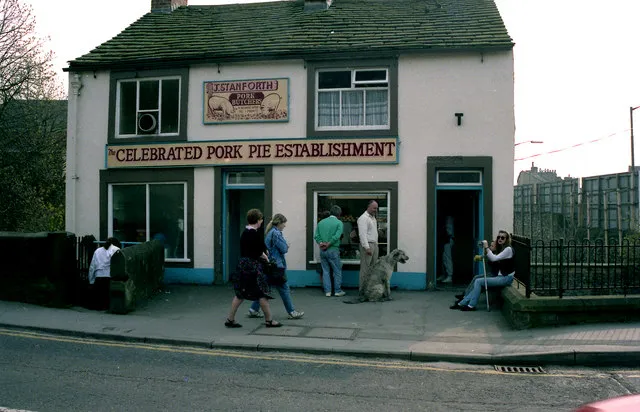
Photo: Bob Forrest, CC BY-SA 2.0, via Wikimedia Commons
Port and Stilton is a lovely idea until you have four other cheeses on the board and one bottle doing all the work. A British cheese plate is not a single flavour: it runs from salty, savoury Cheddar to pungent washed rind and cool, crumbly blue. The wine has to move with it. The good news is that you do not need a cellar or a sommelier’s case. You need a few principles, a couple of bottles bought online, and the discipline to serve them at the right temperature.
Match the weight, then the salt
Cheese is fatty, salty and often acidic. Wine works when it does one of three jobs: cuts through fat with acidity, scrubs the palate with bubbles, or meets salt with sweetness or savoury age. Tannin is the tricky one. A young, grippy red plus a soft, salty cheese can taste bitter and metallic; high alcohol can amplify a washed rind’s farmyard notes until they dominate. Delicate whites simply vanish.
Start with the rind family rather than the milk. Hard pressed cheeses need structure or acidity; blues need sweetness or nutty oxidation; washed rinds need aromatic lift and freshness. Then adjust for age: the older and drier the cheese, the more intense the wine can be.
Sharp West Country Cheddar: think acid first, red second
Mature cloth-bound Cheddar from Somerset or Dorset is savoury, crumbly and packed with salt crystals. It is not a cheese that needs a blockbuster red. A dry amontillado or oloroso is the quiet winner: nutty, saline and acidic enough to reset the palate. English sparkling wine is the festive choice — the bubbles cut through the fat and the acidity picks up the cheese’s tang. If you want red, go for a cool-climate Cabernet Franc or a light Mencía, not a young, tannic Cabernet Sauvignon. The common disappointment is Cheddar with a heavy oaky red: the cheese turns rubbery and the wine tastes of vanilla and sawdust.
Stilton: keep the port, but give it company
The port-and-Stilton cliché survives because it works — up to a point. A young, fiery vintage port can overwhelm a delicate blue, and the sweetness sometimes tips into cloying. A 10-year tawny is gentler, with nutty, dried-fruit notes that flatter Stilton’s salt. Malmsey Madeira is the underrated option: its acidity keeps the finish clean. If you prefer white, an off-dry Riesling or a modest Sauternes works, but skip the very dry Champagne unless it has a little dosage. The pairing that disappoints most often is Stilton with a big tannic red: the salt makes the tannin taste metallic and bitter.
Stinking Bishop and the washed-rind problem
Stinking Bishop is a brilliant British cheese and a difficult date for wine. It is oozy, salty and aromatic in a way that can flatten a delicate white. You need something with texture and a bit of sweetness or aromatic lift: an off-dry Chenin Blanc, an Alsace Pinot Gris, or a slightly dosage-rich English sparkling wine. Avoid light Pinot Noir and heavily oaked Chardonnay; the former disappears, the latter can turn the rind’s barnyard notes into a fight. If you are serving a washed-rind cheese as the centrepiece, keep the pour small and the wine well chilled.
The matches that tend to disappoint
- Delicate white plus washed rind: the cheese wins and the wine tastes like water.
- Big tannic red plus soft cheese: metallic, bitter finish.
- Very dry sparkling plus sharp Cheddar: the acidity can read sour rather than refreshing.
- Oaky Chardonnay plus Stinking Bishop: vanilla and barnyard is not a happy combination.
- Cheap sweet port plus young Stilton: sugar without acidity, and the blue turns cloying.
A short shopping list for festive and everyday boards
For a festive board, buy four bottles and keep them cold: an English sparkling wine (£25–£35), a dry oloroso (£14–£18), a 10-year tawny port (£20–£25) and an off-dry Chenin Blanc (£12–£16). That covers Cheddar, Stilton and a washed rind without a single bottle fighting another. For an everyday plate, three bottles is plenty: dry amontillado (£10–£14), a cool-climate Cabernet Franc (£10–£13) and an off-dry Riesling (£9–£12). Order them as a mixed case from a UK online wine shop and check the courier cost before you commit; a £6 delivery can turn a bargain bottle into an average one.
Serving notes that matter more than the label
Take the cheese out of the fridge 45 minutes before serving. Keep the wines cooler than you think: sparkling and whites at 8–10°C, fortifieds at 12–14°C. Do not drown the board in chutney; a little quince or oatcake is enough. And give each cheese its own small pour rather than one glass for the whole plate. The point is not to find a single wine that works with everything. It is to build a board where each bottle has a job.
If you remember one thing, make it this: match the weight and salt of the cheese, not the colour of the wine. A sharp Cheddar and a dry oloroso will teach you more about pairing than another round of port and Stilton. And if you are buying online for a festive board, buy one bottle more than you think you need — cheese boards have a way of growing.