Salt and vinegar, meet Muscadet: wine matches for the British crisp shelf

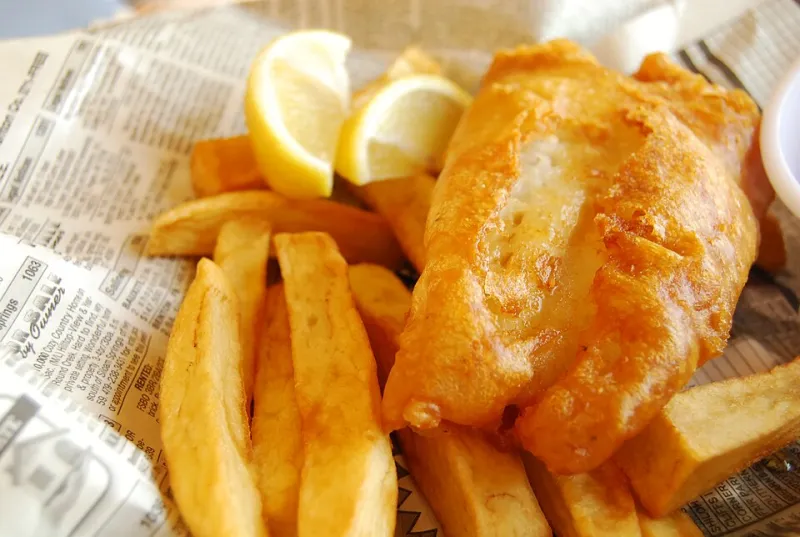
Photo: Derek Harper , CC BY-SA 2.0, via Wikimedia Commons
Crisps are the most honest wine snack in Britain. There is no ceremony, no plate, no one pretending to detect tarragon. But a bag of salt and vinegar can make a decent £15 white taste like lemon water if you pick badly, and a handful of hand-cooked crisps can make a modest fizz sing. The trick is not to treat the crisp aisle as a novelty. Treat it as a series of small, salty, fatty, sometimes acidic challenges — then choose a bottle that answers the question each bag is asking.
The three rules worth remembering
First, acidity versus salt. Salt makes wine taste softer and flabbier; acidity wakes it back up. That is why a lean, high-acid white is often more useful than a rich, oaky one with a salty snack. If the crisp also has vinegar on it, you need freshness rather than weight, otherwise the wine will feel dull and the vinegar will feel sharp.
Second, bubbles versus fat. Fat coats the palate and mutes flavour. Bubbles scrub it away. That is the simple reason a traditional-method sparkling wine works so well with a posh bag of hand-cooked crisps: the salt and fat are cut by the fizz, and the next crisp tastes as good as the first.
Third, sweetness versus heat. Chilli, paprika and peppery spice tend to amplify alcohol and tannin, so a bone-dry, high-alcohol red can turn harsh. A slightly off-dry white or a light, chilled red usually handles spice better. You are not looking for a sweet wine, just a touch of roundness to stop the heat running the show.
1. Salt and vinegar: Muscadet Sèvre-et-Maine sur lie
Salt and vinegar is the ultimate test. The vinegar is acidic, the salt is aggressive, and the crisp is designed to make you want another mouthful. Muscadet is the natural answer: lean, citrusy, saline and refreshing, with enough texture from lees ageing to avoid tasting thin. Look for Muscadet Sèvre-et-Maine sur lie at around £9–£12. Serve it properly cold. It will not fight the vinegar; it will reset your palate between bags.
2. Prawn cocktail: English Bacchus
Prawn cocktail crisps are sweet, savoury and faintly retro, with a tomato-and-mayo tang that can trip up heavy whites. English Bacchus is a good fit: dry, aromatic and full of citrus, elderflower and a little green herb character. It has enough perfume to meet the prawn cocktail flavour without turning the whole thing into a perfume counter. Expect to pay £10–£14 for a decent bottle online. A dry Riesling would also work if you want something with a little more zip.
3. Cheese and onion: off-dry Riesling
Cheese and onion is saltier and savourier than people remember, and the onion sweetness needs a wine with a bit of roundness. This is where an off-dry Riesling earns its keep. A German Kabinett or a dry-leaning Australian Riesling with a touch of residual sugar — around £10–£14 — has the acidity to cut through the fat and the gentle sweetness to soften the salt. Bone-dry, high-acid whites can make cheese and onion taste oddly metallic. A little sweetness is the fix.
4. Ready salted: traditional-method sparkling
Ready salted is the crisp equivalent of a blank canvas, which makes it the best excuse for bubbles. The fat and salt in the crisps are made for a traditional-method sparkling wine — Cava, English sparkling, or a good crémant — where the fine bubbles and yeasty edge scrub the palate clean. You do not need to spend a fortune: £15–£22 gets you something genuinely enjoyable. Avoid anything too sweet or too simple; you want freshness and a bit of backbone, not a novelty pop.
5. Smoky bacon: chilled Gamay or Beaujolais
Smoky bacon crisps bring salt, fat and a savoury smoke note that can make tannic reds taste dry and dusty. Go light instead. A chilled Gamay — think Beaujolais or a good Beaujolais-Villages — has juicy red fruit, low tannin and enough acidity to keep the salty bacon in check. Around £12–£16 is plenty. Give it 20 minutes in the fridge before opening. The slight chill makes it fresher and more crisp-friendly, especially if you are eating standing up in the kitchen.
6. Hand-cooked sea salt and black pepper: dry rosé
Posh hand-cooked bags with sea salt and cracked black pepper need a wine with fruit and freshness rather than oak. A dry, pale Provençal-style rosé at £9–£13 is a reliable match: redcurrant, citrus, a little herbal edge and a dry finish. The pepper in the crisp finds a echo in the wine's freshness, while the salt makes the fruit taste sweeter. If rosé is not your thing, a crisp dry white with a bit of texture will do the same job.
The Friday-night plan
You do not need six bottles and six bags to make this work. For a Friday-night spread, pick two or three crisp favourites and two bottles that cover the ground. A Muscadet or English Bacchus handles the salt-and-vinegar and prawn-cocktail end; a chilled Gamay or dry rosé looks after smoky bacon and black pepper. If you want the full crisp-shelf tour, add a traditional-method sparkling and an off-dry Riesling, and you have a table that can handle everything from ready salted to cheese and onion.
When you are buying online, shop by style rather than brand. Search for Muscadet Sèvre-et-Maine sur lie, English Bacchus, off-dry Riesling, traditional-method sparkling, Beaujolais-Villages and dry rosé. A mixed case of three or four bottles at £10–£20 each is a sensible spend for four people, and it beats guessing in the supermarket aisle. Chill the whites and the light red, open the bags, and do not overthink it. The point is not to build a sommelier-grade matrix. The point is to avoid the sad moment when the last crisp is gone and the wine is still fighting back.